Monday, July 11, 2011

Chiropractic for Carpal Tunnel Syndrome


When people think “chiropractic,” they often think of back and neck problems. But chiropractic has many applications beyond these typical uses, and it can improve quality of life for a broad range of health conditions. One such condition is carpal tunnel syndrome, a repetitive stress injury (RSI). Chiropractic can be a beneficial treatment for patients seeking noninvasive relief from this ailment that has become all too common in the modern world.

How Does a Chiropractor Treat Carpal Tunnel Syndrome (CTS)?
Carpal tunnel syndrome is a repetitive stress injury (RSI). This category of injuries is caused by repetitive motion, such as typing or assembly line work, which causes pain and injury over time. The earlier that an RSI is diagnosed and treated, the better the outcome can be. Diagnosis includes physical examination and possibly x-rays. Typically, the chiropractic treatment for RSI includes manipulation of the affected wrist and elbow, as well as manipulation of the upper spine. A spinal manipulation involves applying controlled pressure to a joint. The chiropractor may also advise the patient to rest the affected arm, apply cold to reduce inflammation, perform appropriate exercises, or wear a splint or brace to immobilize the area.Some common treatments chiropractors use for carpal tunnel syndrome include:
  • Manipulation of the wrist, arm, and upper spine: Misalignment in the spine could contribute to symptoms of carpal tunnel syndrome. Doctors of Chiropractic (DCs) perform adjustments (also called spinal manipulations) that aim to correct improper alignment in the spine. The chiropractor typically performs an adjustment using his or her hands, but sometimes devices are employed. Chiropractors may also adjust and treat other areas of the body as needed, including the wrist and arm.
  • Ultrasound therapy: This therapy uses either very high-energy or low-energy sound, both of which are outside the range of normal human hearing. The chiropractor uses a device that emits focused sound waves that penetrate deep into body tissue. Sound waves can relax muscles, alleviate pain, and reduce inflammation.
  • Wrist supports: Wrist supports seek to keep the wrist in the proper alignment and can be used to treat or prevent carpal tunnel syndrome.

What Can Be Expected During the Healing Process?

Chiropractic is generally a relatively safe practice and is a noninvasive treatment for carpal tunnel syndrome, especially compared to treatment involving medications and surgery. Studies have shown improvement in symptoms of repetitive stress injuries (RSIs), including carpal tunnel syndrome, as a result of chiropractic treatment. Some research has concluded that chiropractic can be just as effective as allopathic care for RSIs.


What Is Chiropractic?

As with any medical treatment, prognosis for resolution of a Repetitive Stress Injury (RSI) can vary from patient to patient, based on such factors as the nature and severity of the RSI, the age and overall health of the patient, and simultaneous use of other therapies. But in many cases, chiropractic treatment has helped patients struggling with carpal tunnel syndrome. So although carpal tunnel and other RSI patients must face the realities of modern-day society with its risks of conditions like RSI, chiropractic can provide hope for managing this condition.

Chiropractic subscribes to the belief that the body’s structure is related to its function. More specifically, the profession focuses on the structure of the spine and how that affects the state of health and the functioning of not only the neck and back but other areas of the body as well.

It holds to the philosophy that misalignments of the spine affect the body’s ability to function and can contribute to health problems. These misalignments need to be, and can be, corrected through chiropractic therapy. The nervous system, including the spine’s nerves, affects the flow of energy throughout the entire body. Another foundational belief of chiropractic is that the body has a powerful ability to heal itself. Chiropractic aims to stimulate that ability.

What Is Carpal Tunnel Syndrome (RSI)?

Carpal tunnel syndrome, a repetitive stress injury (RSI), was named as such because the anatomical structure of this form of injury. The bones in the wrist (called carpals) form a tunnel, and the median nerve travels from the forearm to the hand through this carpal tunnel. Carpal tunnel syndrome is, therefore, an injury to this area of the body. Often, the dominant wrist is the injured one, but in some patients, both left and right wrists are involved. Symptoms include pain and numbness in the index, middle fingers, and thumb, tingling in the hand(s), weakness, and pain shooting up the arm.

Carpal tunnel syndrome can be caused and worsened by repetitive motion and tasks, whereby the tendons in the carpal tunnel become swollen, which contributes to a pinched nerve in the carpal tunnel. Examples of repetitive motion include using a computer for long periods of time, performing a job on an assembly line, and using hand tools. Patients suffering with this condition are more often female than male. Middle age is the most common time in life for carpal tunnel syndrome to occur.

Many of the patients who seek chiropractic treatment for repetitive stress injuries (RSIs) do so because it is not nearly as invasive as other, more allopathic, treatments, which often rely on treatments such as medications.


Saturday, July 2, 2011

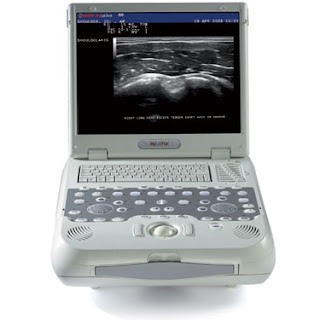
Rosa Chiropractic Uses Diagnostic Ultrasound


What is Ultrasound Imaging of the Musculoskeletal System?

Ultrasound imaging involves exposing part of the body to high-frequency sound waves to produce pictures of the inside of the body. Ultrasound exams do not use radiation (as in x-rays). Because ultrasound images are captured in real-time, they can show the structure and movement of the body’s internal organs, as well as blood flowing through blood vessels. Ultrasound imaging is a noninvasive medical test that helps physicians diagnose and treat medical conditions by providing images that show normal and abnormal muscles, tendons, ligaments, joints and soft tissue structures throughout the body.

What are some common uses of the procedure?

Ultrasound images are typically used to help diagnose:

How does the procedure work?

Ultrasound imaging is based on the same principles involved in the sonar used by bats, ships and fishermen. When a sound wave strikes an object, it bounces back, or echoes. By measuring these echo waves it is possible to determine how far away the object is and its size, shape, and consistency (whether the object is solid, filled with fluid, or both).

How is the procedure performed?

For most ultrasound exams of the musculoskeletal system, the patient is seated on an examination table or a swivel chair. For some ultrasound exams, the patient is positioned lying face-up on an examination table.

A clear water-based gel is applied to the area of the body being studied to help the transducer make secure contact with the body and eliminate air pockets between the transducer and the skin. The ultrasound technologist or physician then presses the transducer firmly against the skin in various locations, sweeping over the area of interest or angling the sound beam from a farther location to better see an area of concern.

During the examination, Dr. Rosa is able to point out problem areas in real-time (big difference compared to MRI). This ultrasound examination is usually completed with in 15-30 minutes, but may occasionally take longer.

What will I experience during and after the procedure?

Most ultrasound examinations are painless, fast and easy.If scanning is performed over an area of tenderness, you may feel pressure or minor pain from the transducer. The technologist or physician may ask you to move the extremity being examined or may move it for you to evaluate not only anatomy but also function of a joint, muscle, ligament or tendon. Once the imaging is complete, the gel will be wiped off your skin.
After an ultrasound exam, you should be able to resume your normal activities immediately.

What are the benefits vs. risks?

Benefits

  • Performed quickly in-office
  • Non-invasive
  • Comfortable
  • Exam is performed in real-time with dynamic motion
  • Can be easily compared to the non-injured side
  • Instant results
  • Differentiates between new and old injuries
  • Cheaper than an MRI
  • Can be used for guided injections directly into a problem spot

Risks

  • For standard diagnostic ultrasound there are no known harmful effects on humans

What are the limitations of Ultrasound Imaging of the Musculoskeletal System?

Ultrasound has difficulty penetrating bone and therefore can only see the outer surface of bony structures and not what lies within. For visualizing internal structure of bones or certain joints, other imaging modalities such as MRI,CT, and plain xrays are typically used.

At Rosa Family Chiropractic of Alexandria and Fairfax, we utilize diagnostic musculoskeletal ultrasound on both the upper and lower extremities to rule out or diagnose your injury.

Friday, June 10, 2011

Chiropractic Treatment of Sciatica

Chiropractic Treatment of Sciatica
-Susan Spinasanta

Doctors of Chiropractic medicine regularly treat sciatica. Sciatica is characterized by pain that originates in the low back or buttock that travels into one or both legs. Sciatic nerve pain varies in intensity and frequency; minimal, moderate, severe and occasional, intermittent, frequent or constant.

Pain is described as dull, achy, sharp, toothache-like, pins and needles or similar to electric shocks. Other symptoms associated with sciatica include burning, numbness and tingling sensations. Sciatica is also called radiating or referred pain, neuropathy, or neuralgia. A misconception is that sciatica is a disorder - however, sciatica is really a symptom of a disorder.

Caused by Nerve Compression
Sciatica is generally caused by sciatic nerve compression. Disorders known to cause sciatic nerve pain include lumbar spine subluxations (misaligned vertebral body/ies), herniated or bulging discs (slipped discs), pregnancy and childbirth, tumors, and non-spinal disorders such as diabetes, constipation, or sitting on one's back pocket wallet.

One common cause of sciatica is Piriformis Syndrome.

Piriformis syndrome is named after the piriformis muscle. The piriformis muscle is located in the lower part of the spine, connects to the thighbone, and assists in hip rotation. The sciatic nerve runs beneath the piriformis muscle. This muscle is susceptible to injury from a slip and fall, hip arthritis, or a difference in leg length. Such situations can cause cramping and spasm to develop in the piriformis muscle, thereby pinching the sciatic nerve and causing inflammation and pain.

Sciatic nerve compression may result in the loss of feeling (sensory loss), paralysis of a single limb or group of muscles (monoplegia), and insomnia.

Proper Diagnosis Since there are many disorders that cause sciatica, the chiropractor's first step is to determine what is causing the patient's sciatica. Forming a diagnosis involves a thoughtful review the patient's medical history, and a physical and neurological examination. Diagnostic testing includes an x-ray, MRI, CT scan and/or electrodiagnostic tests (nerve conduction velocity, electromyography). These examinations and tests help to detect possible contraindications to spinal adjustments and other chiropractic therapies.

Treatment Approach The purpose of chiropractic treatment is to help the body's potential to heal itself. It is based on the scientific principle that restricted spinal movement leads to pain and reduced function and performance. Chiropractic care is non-invasive (non-surgical) and drug-free. The type of chiropractic therapy provided depends on the cause of the patient's sciatica. A sciatica treatment plan may include several different treatments such as ice/cold therapies, ultrasound, TENS, and spinal adjustments - sometimes called manipulation.

1. Ice/Cold therapy reduces inflammation and helps to control sciatic pain.

2. Ultrasound is gentle heat created by sound waves that penetrates deep into tissues. Ultrasound increases circulation and helps to reduce muscle spasms, cramping, swelling, stiffness, and pain.

3. TENS unit (transcutaneous electrical nerve stimulation) is a sma

ll box-like, battery-powered, portable muscle stimulating machine. Variable intensities of electrical current control acute pain and reduce muscle spasms. Larger versions of the home-use TENS units are used by chiropractors, physical therapists and other rehab professionals.

4. Adjustments (Spinal Manipulation) At the core of chiropractic care are spinal adjustments. Manipulation frees restricted movement of the spine and helps to restore misaligned vertebral bodies to their proper position in the spinal column. Spinal adjustment helps to reduce nerve irritability responsible for causing inflammation, muscle spasm, pain, and other symptoms related to sciatica. Adjustments should not be painful. Spinal manipulation is proven to be safe and effective.

In college and during their training, students of chiropractic learn many different adjustment techniques enabling them to treat several types of subluxations and disorders. Techniques vary from a swift high velocity thrust to those that combine minimal force and gentle pressure. Mastery of each technique is an art that requires great skill and precision. Spinal manipulation is the treatment that differentiates chiropractic care from other medical disciplines.

To prepare a patient for adjustment, the chiropractor may instruct the patient to sit up or lie down. It is not uncommon for the chiropractor to use a totally different adjustment technique during the patient's subsequent visit. Treatment tables differ too. Some are stationary, flat padded tables and others are elaborate with electrically or manually operated head and foot rests.

Sciatica can be caused by other disorders beyond the scope of chiropractic practice. If the Doctor of Chiropractic determines the patient's disorder requires treatment by another type of doctor, then the patient is referred to another specialty. In some cases, the referring chiropractor may continue to treat the patient and co-manage the patient's care with the specialist.
